Standing Trainers to Prevent Secondary Diseases
Standing Trainers to Prevent Secondary Diseases
Children and young people who rely on sitting aids and wheelchairs should regularly break up prolonged sitting with standing exercises, such as those using a standing frame. Extended periods of sitting are unhealthy and can lead to conditions like muscle shortening. It is not necessary to stand for long periods; even short durations of standing can help prevent secondary diseases known to be caused by prolonged sitting. Standing offers numerous health benefits for children, including increased bone density, improved digestion, reduced joint contractures, and easier breathing. Shifting weight onto the legs also helps develop strong and stable joints around the hips, knees, and ankles.
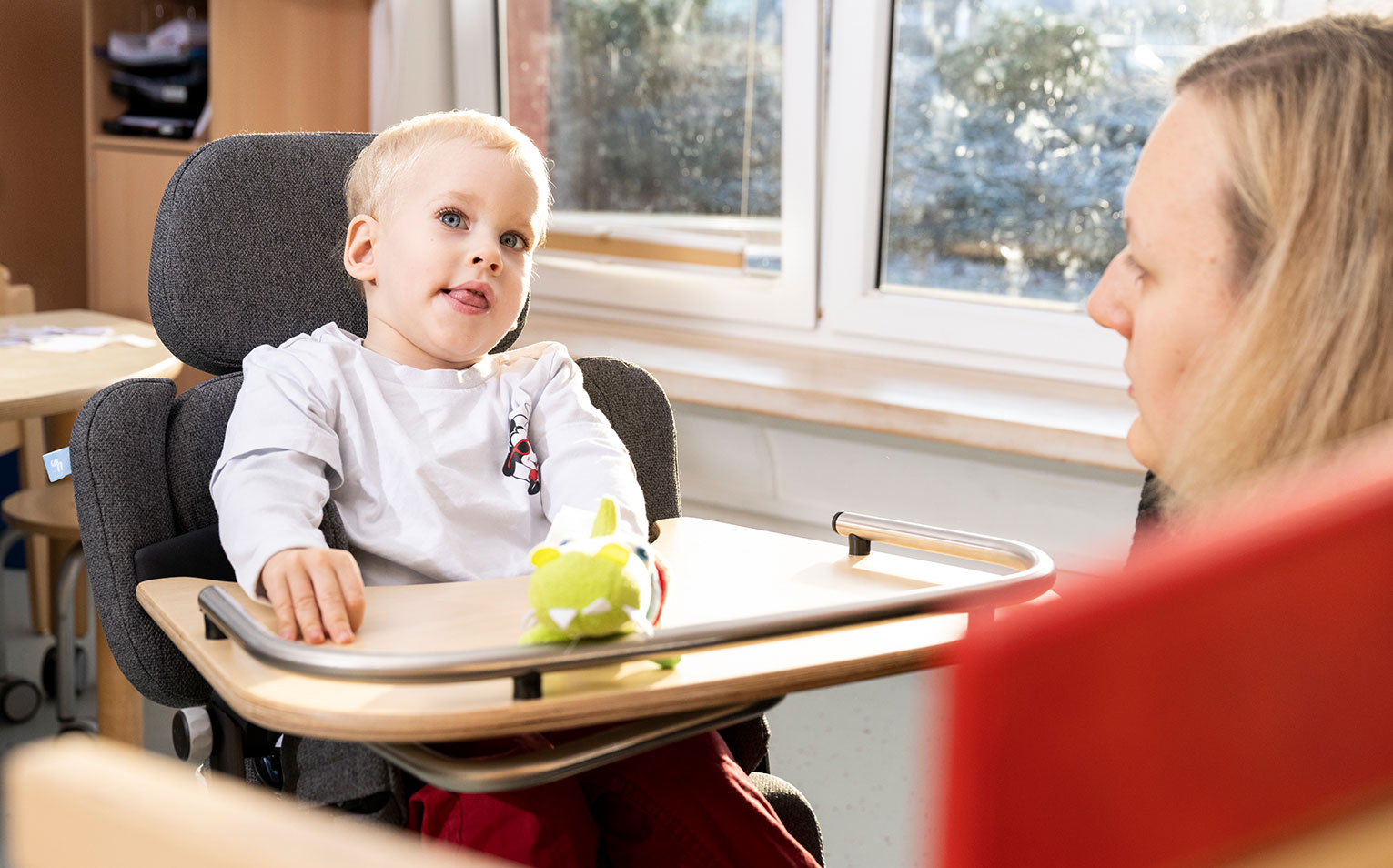
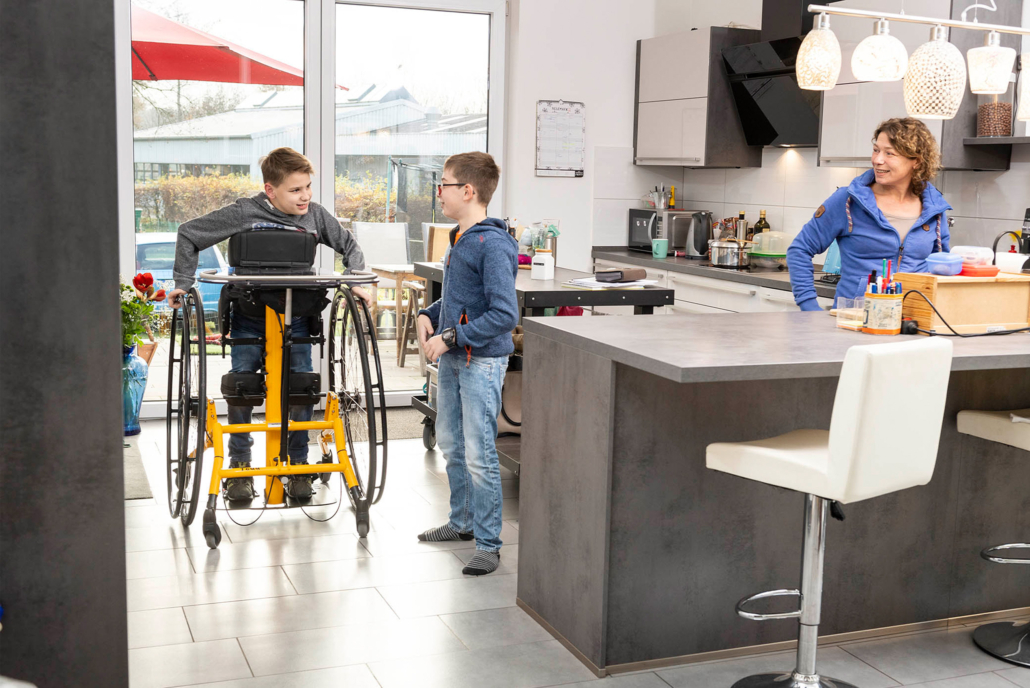
Standing is not only beneficial for physical health but also enhances attentiveness and perception of the surroundings. When standing, children are more engaged and can interact better with their peers. Standing frames with floor-level surfaces allow children to get close to friends or a blackboard easily. Our till. standing frame can be electrically lowered to the floor, often by the children themselves, promoting social interaction, self-confidence, and inclusion. Regular standing enables children to actively participate in lessons and other activities, enhancing their academic and social skills.
Correct Standing Techniques
Proper standing technique is crucial during training. Attention should be paid to the position of the pelvis. Our standing aids, such as the todd. or tim. ensure the pelvis remains symmetrical, distributing weight evenly on both legs and that the head and body are aligned centrally. Depending on the child’s condition or therapeutic goal, they can be tilted forward or backward. Prone standing encourages active stretching, while children who struggle to hold their head up may prefer the supine position. These varied standing positions cater to each child’s individual needs and abilities, providing optimal support.
Choosing the Right Standing Frame
 Active Standing and Everyday Life at Eye Level
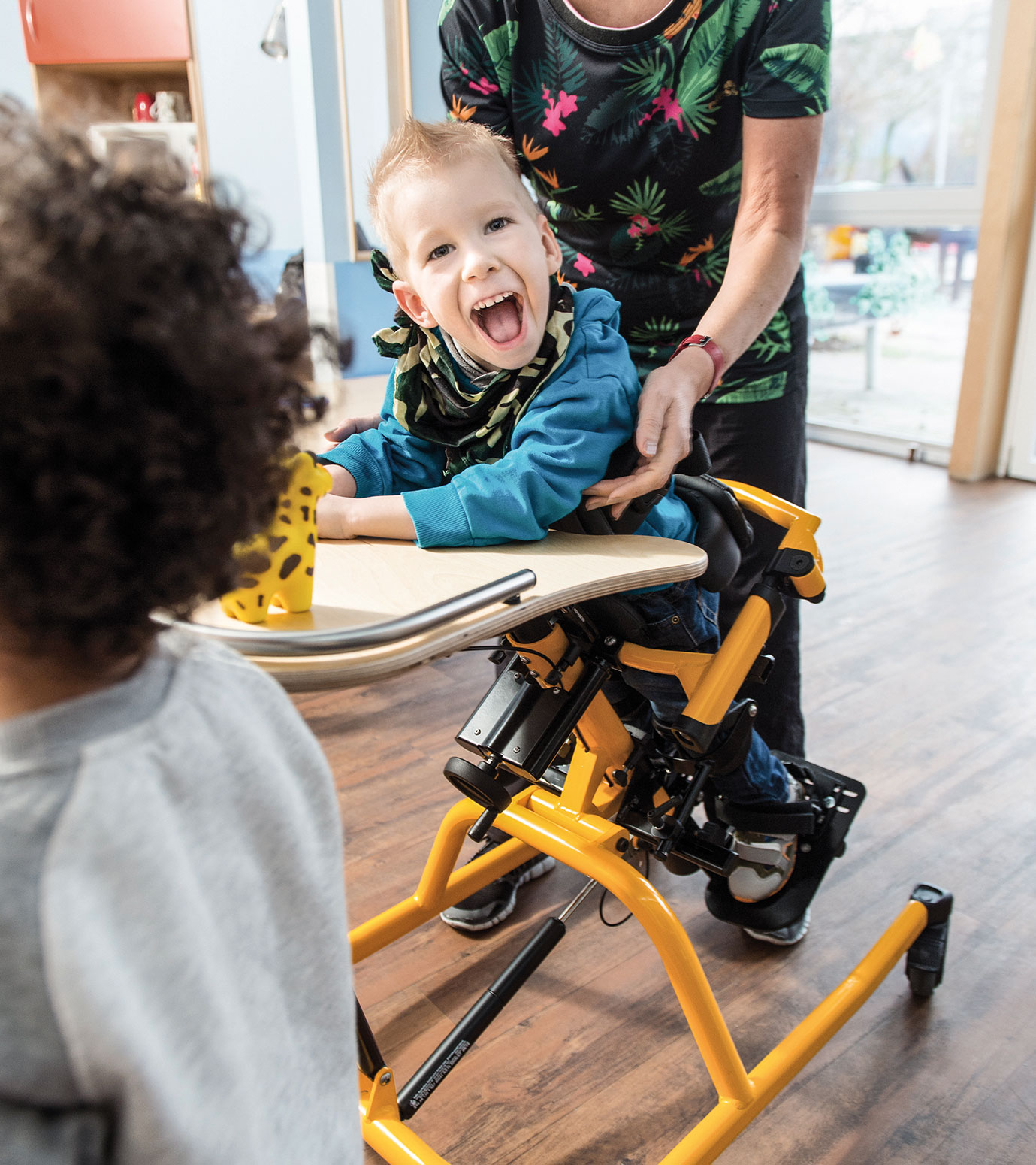
Stationary standing frames, like our tim. offer numerous health benefits. They allow children and young people to stand either leaning forward or backward, increasing the dynamics of standing and engaging different muscle groups. The sophisticated design and support functions enable prolonged standing, promoting blood circulation and reducing risks associated with prolonged sitting or lying down.
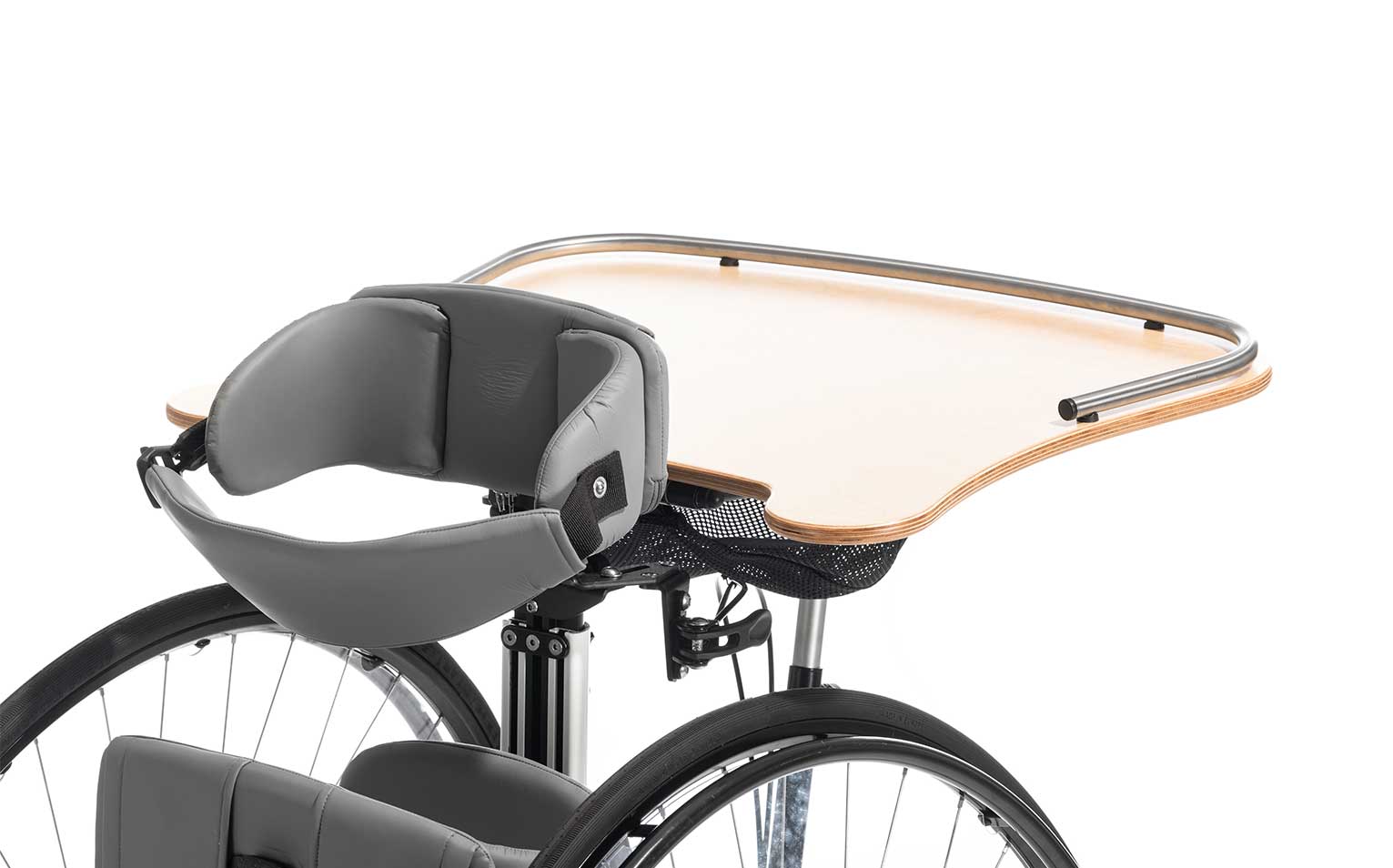
A significant advantage of stationary trainers is the simultaneous activation of the trunk and back muscles. Switching positions strengthens both abdominal and back muscles, improving posture and creating a more stable torso. Additionally, the tim. allows children to work at a table or follow lessons while standing. The adjustable load feature ensures the table remains at a constant height and angle, facilitating uninterrupted use.
For more information about tim., please visit our website.
Independent Mobility
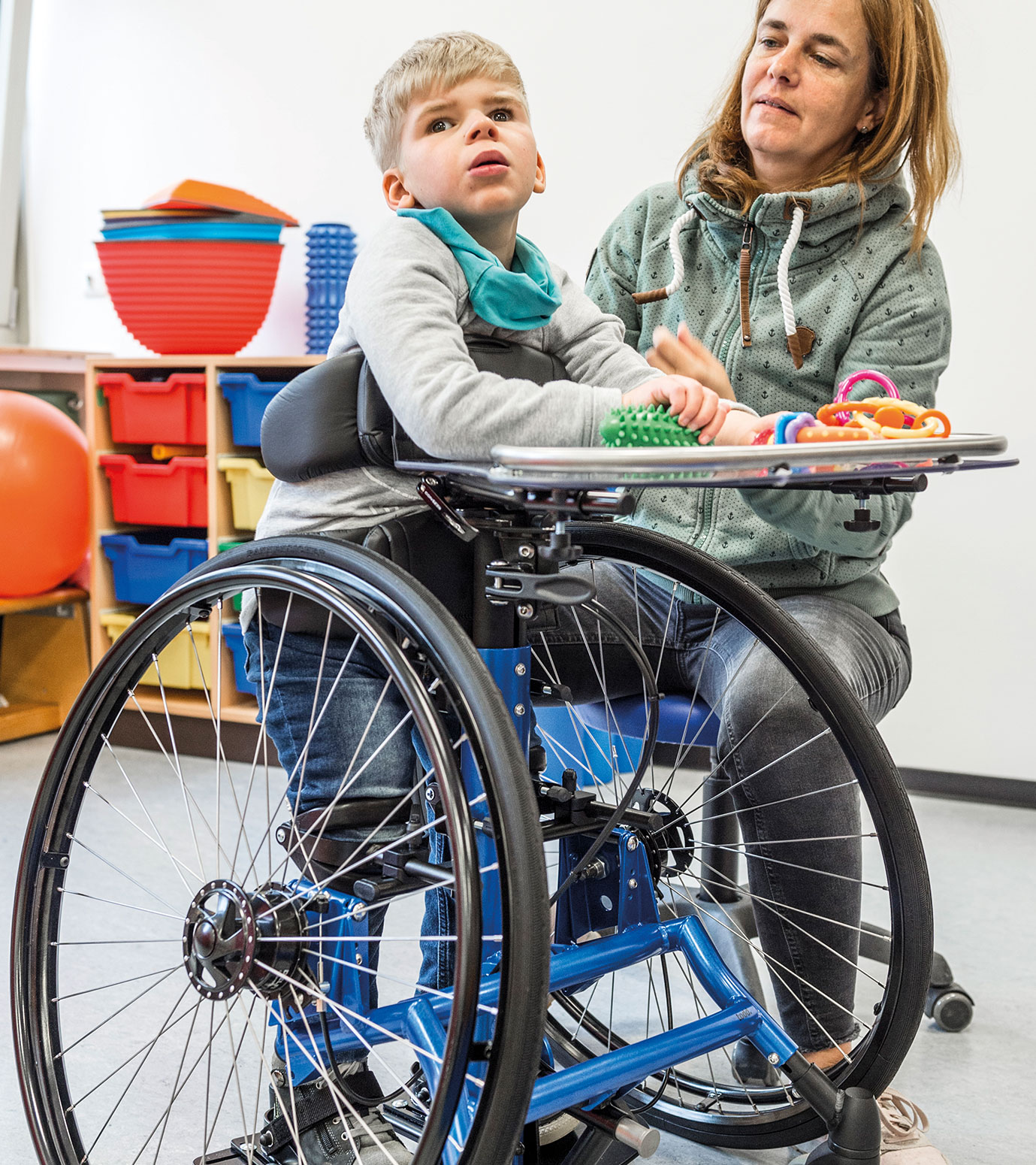
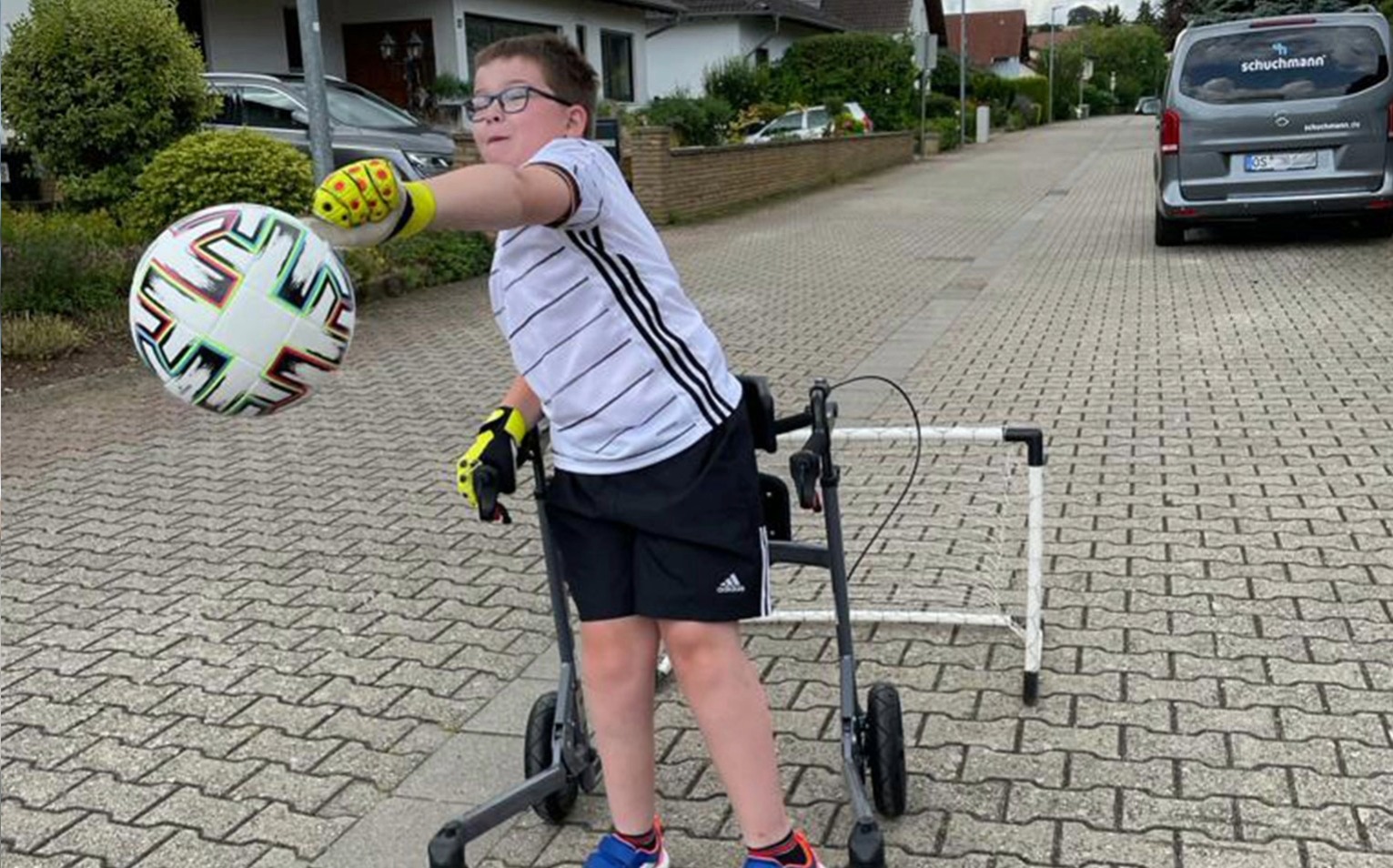
Mobile standing frames, such as our todd. encourage children to stand longer by allowing them to move around independently. This mobility lets children experience their surroundings from a new perspective and at eye level with others, enhancing their participation in social and school activities.
This aid empowers children to make their own decisions, transport objects, and grasp items, fostering independence and boosting self-confidence, motor skills, and coordination. Additionally, the slight vibrations and stimuli experienced while moving over uneven ground activate the muscles and improve blood circulation, which is particularly beneficial for children with limited mobility.
The advantages of mobile standing frames significantly increase their acceptance. Children are more likely to use the frames regularly if they see that it promotes activity and independence, helping to achieve therapeutic goals more effectively and improving overall quality of life.
For more information about todd., please visit our website.
Gentle Verticalisation and Easy Transfer
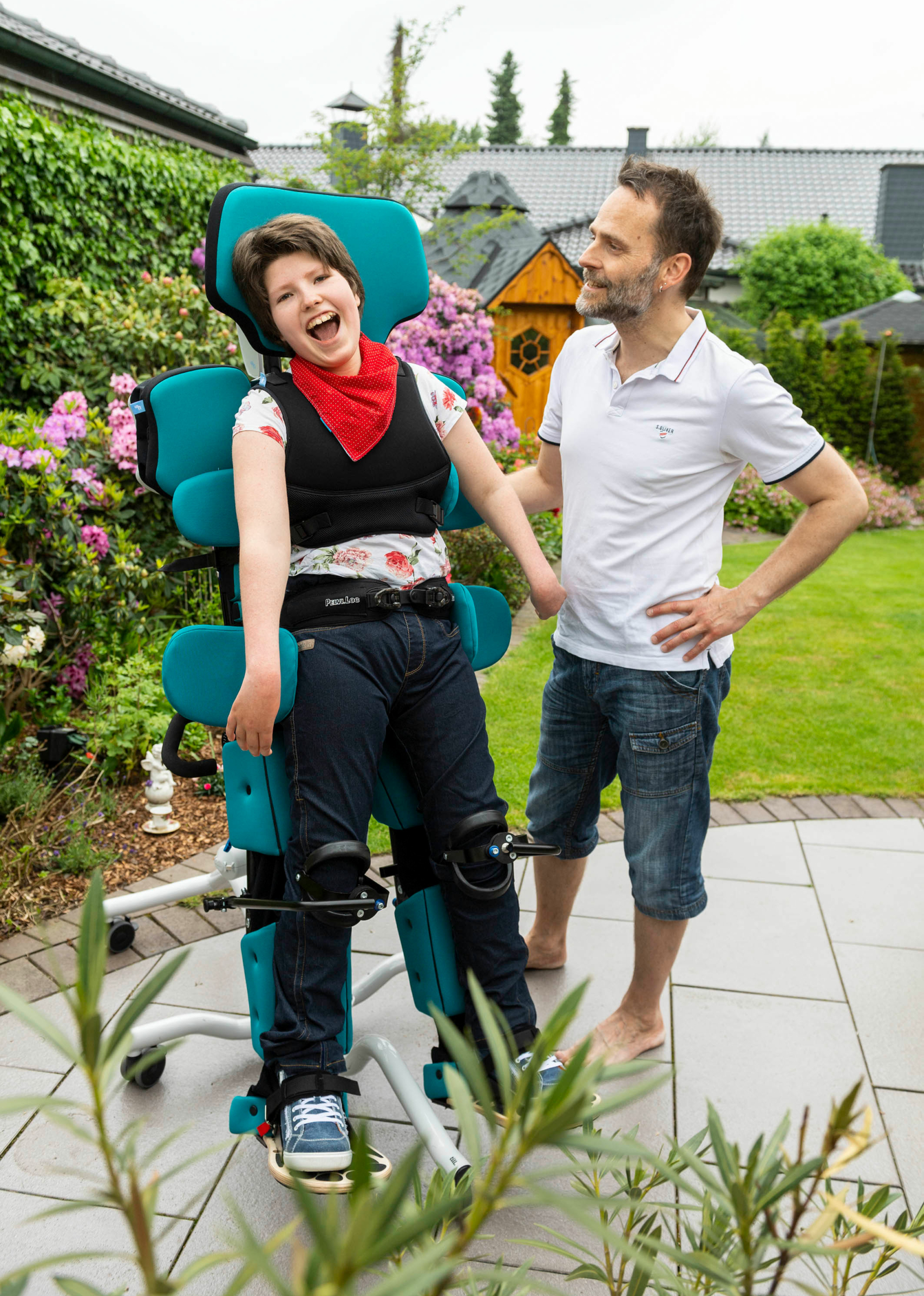
Some standing trainers are specifically designed for transferring and positioning children and young people. Our inclined lying system, till., combines the benefits of a standing trainer with numerous advantages for both carers and users. One standout feature is the ease of transfer, reducing the physical effort required by carers and minimising the risk of injury.
till. also ensures gentle positioning, which is crucial for those with limited mobility or sensitive body areas. The system allows for quick and easy horizontal positioning. The closed support surface enhances body awareness, making children and young people feel secure.
A key feature of this aid is slow and gentle verticalisation. This gradual, circulation-friendly process ensures bones and joints are loaded slowly, reducing the risk of circulatory problems and allowing the body to adapt gently to the upright position. This slow loading also promotes stability and strengthens bones and joints.