
Effect Study: On the influence of regular tricycle riding…
…on walking in children and adolescents with disabilities.
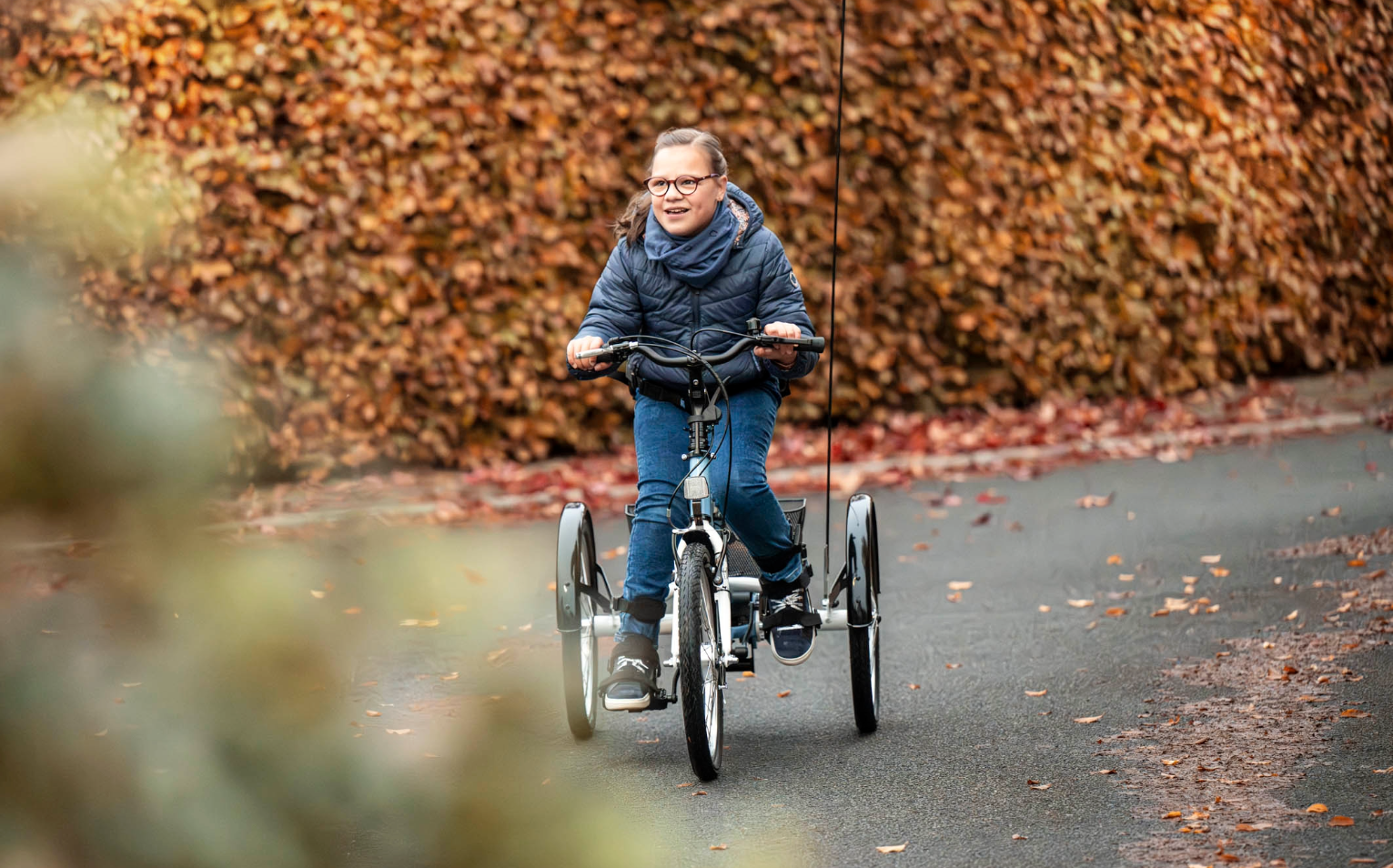
Tricycles are an important aid for children and adolescents with movement disorders. The wheels are used for medical-therapeutic purposes, such as strengthening muscles, training support, balance reactions, and movement coordination, as well as improving coordination. Social aspects also play a significant role. Cycling not only expands the affected individuals‘ range of activities but also allows them to gather spatial experiences. Furthermore, joy and self-esteem increase through spending time with family and friends in shared activities.
 Positive effect on walking
Therapists‘ experiences show that cycling can also facilitate walking for children with movement impairments. This is considered an especially interesting aspect because supporting gait training with cycling provides another opportunity to enhance and intensify therapy with joy and regular activities. To examine this effect more closely, we conducted a study in which the walking patterns of children with disabilities were recorded before and after an intensive cycling interval.
In total, 19 children and adolescents between the ages of six and 17 participated. The medical conditions included cerebral palsy, ataxia, and global developmental disorders, among others. All children and adolescents completed the three-week training period, averaging 13 sessions of 20 minutes on a tricycle, recumbent bike, therapy bike, or regular bicycle.
The majority of participants reported enjoying cycling and appreciating the group setting. Unpleasant effects, such as saddle discomfort or muscle soreness, were rare. Measurements with the mobile gait lab were also carried out with high motivation.
Focus on optimal care.
Another positive effect observed by therapists was that by observing and analyzing walking patterns, negative factors such as unfavorable aids or ill-fitting footwear were recognized and brought into focus.
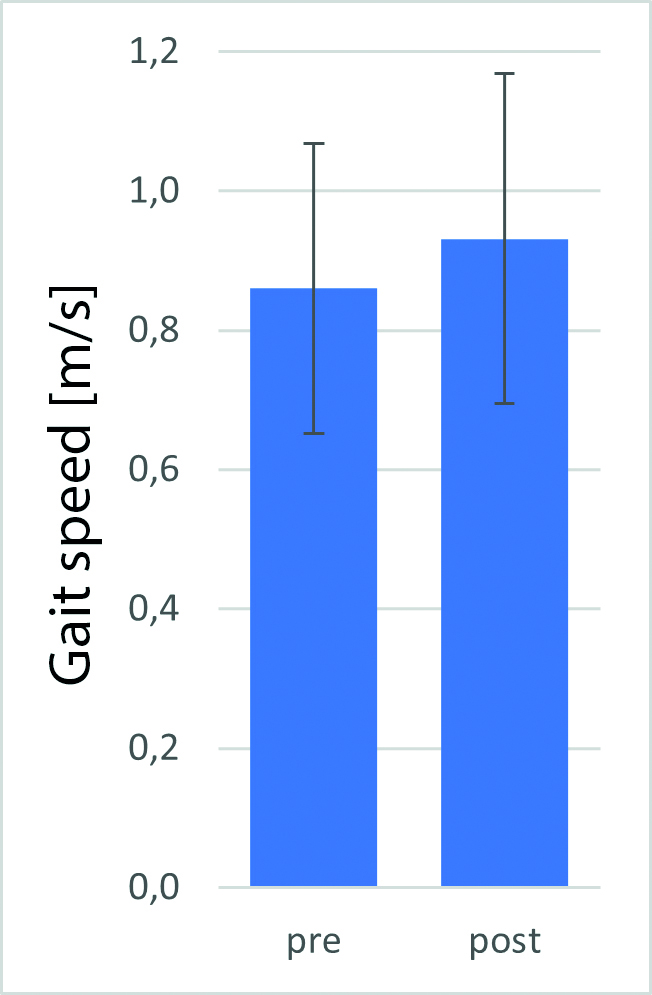
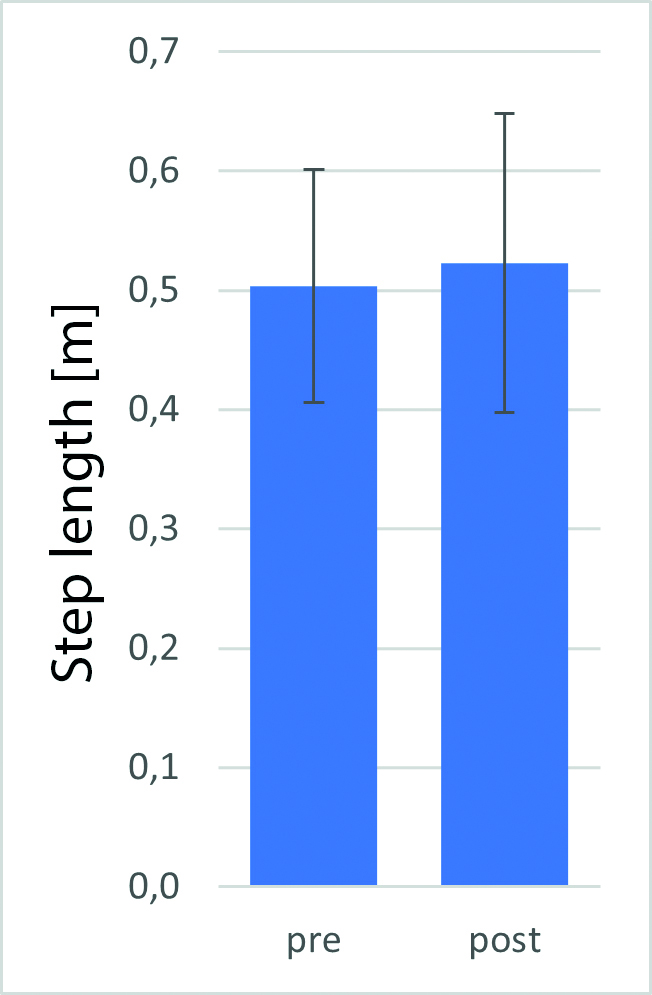
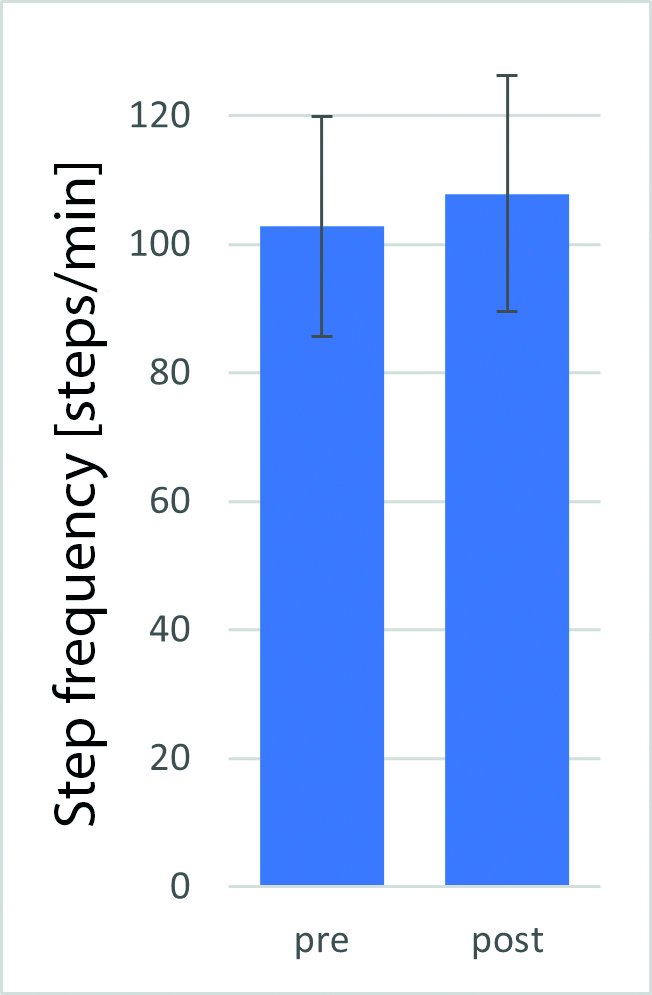
The evaluation of gait analysis revealed that average walking speed, step length and step frequency were slightly increased after the cycling interval. Regarding joint angles during walking, slight improvements were observed in individual participants. Some subjects exhibited an increased range of motion in the knees.
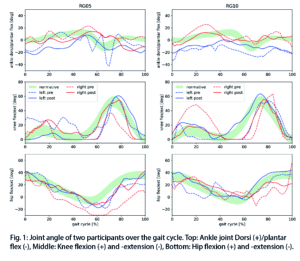
Figure 1 shows two examples. Participant RG05 had a reduced hyperextension of the right hip and right knee, as well as an improved right knee flexion during the swing phase after cycling training. Participant RG10 showed knee angles closer to the normative values after the cycling interval. Excessive plantarflexion, i.e., bending of the foot at the ankle towards the sole, was somewhat reduced on the left side after cycling.
The effects on walking in the participants confirm the importance of cycling in the context of medical treatment or disability compensation.
These study results motivate us to continue producing high-quality tricycles and therapy bikes in the future, so that many children and adolescents with movement disorders can benefit from therapeutic success. The individual configuration of the tricycle or therapy bike is easily possible through a variety of accessories. Because it is important to us that a disabled child at Schuchmann finds exactly the aids that fit them perfectly and enrich their life.