We think sustainably – now officially certified
Sustainability is not a passing trend for us – it is part of the way we think and act. We take responsibility for our impact and are committed to combining environmental awareness with high product and service quality.
To underline this commitment, we have introduced an environmental management system in accordance with DIN EN ISO 14001:2015.
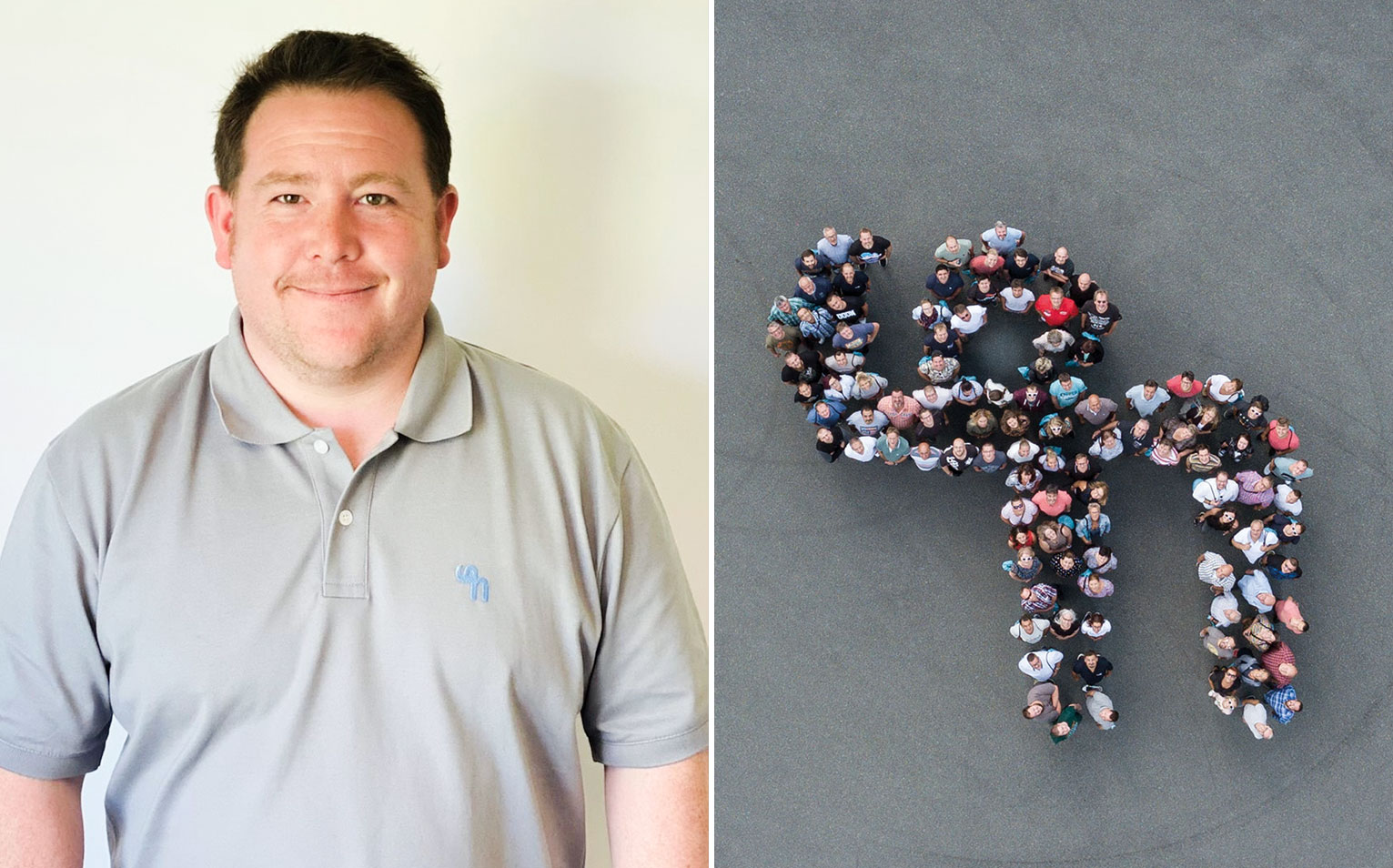
Quality Managers Jule Beßler and Yvonne Schoote supported the certification process from start to finish and were proud to receive the certificate on behalf of the company.
With this certification, we are committed to reducing negative environmental impacts wherever possible, lowering energy consumption and continuously improving our environmental performance. Alongside meeting all binding obligations, this also includes reducing waste and using resources and materials efficiently.
— Jule Beßler and Yvonne Schoote, Quality Managers
What sustainability means at Schuchmann
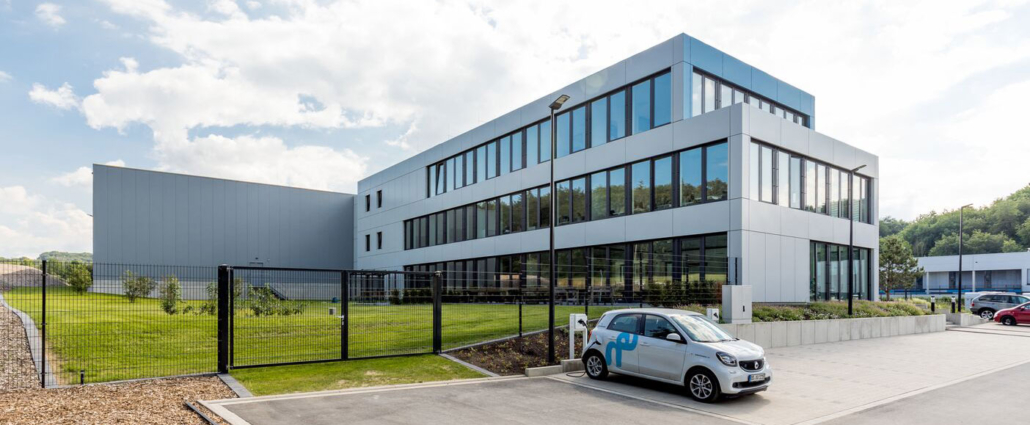
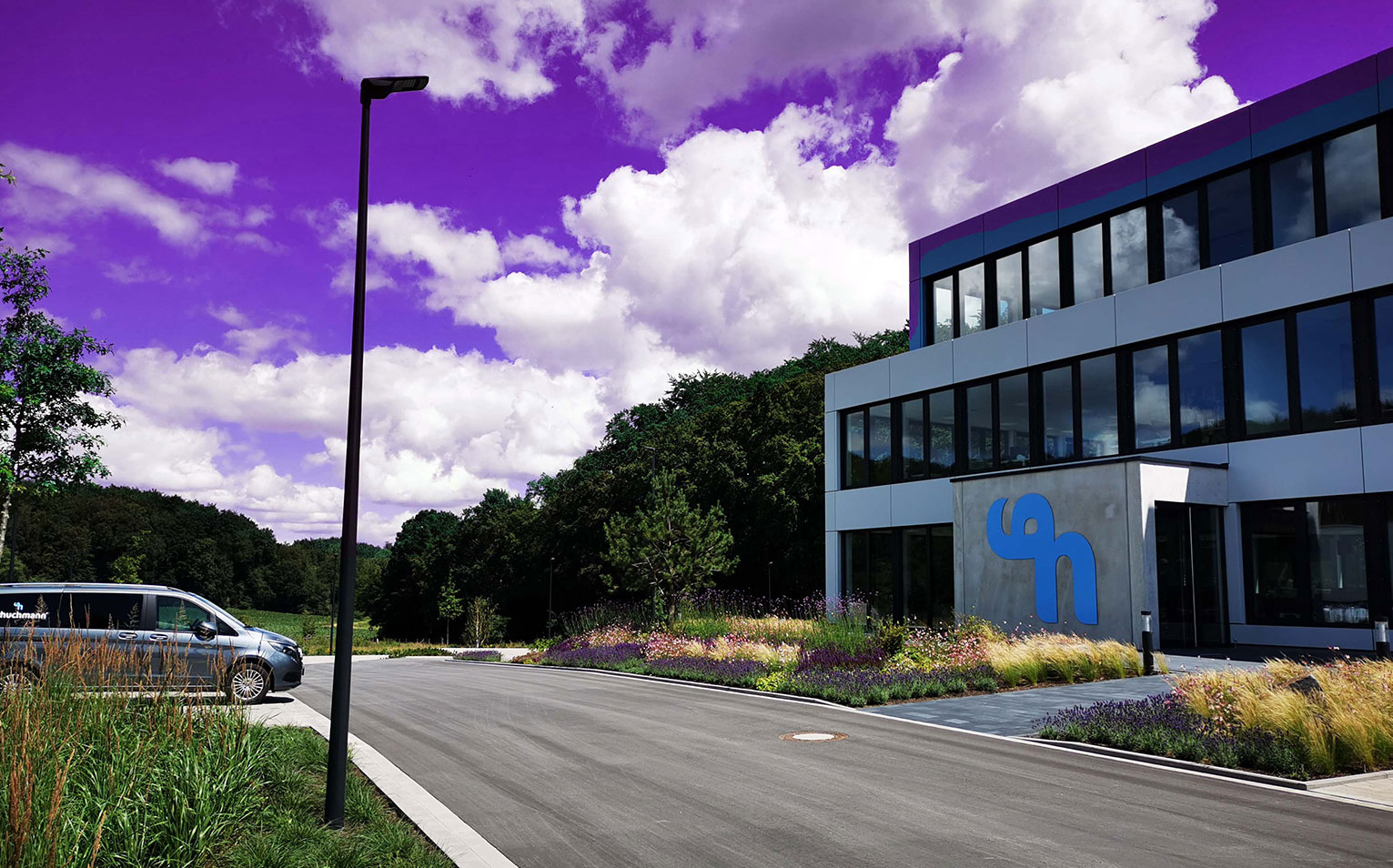
Sustainability was a key priority in the planning of our new site in Bissendorf. Our buildings were constructed to the energy-efficient KfW 55 standard.
Large windows throughout the buildings allow plenty of natural daylight into our rooms, meaning that additional artificial lighting is often unnecessary.
A combination of air conditioning and underfloor heating ensures a comfortable indoor climate in both our offices and production areas. Fully automated blinds, which adjust according to sunlight levels, also help to create a pleasant and energy-efficient working environment.
We support sustainable mobility: we use an electric car for local business journeys, provide four charging points for electric vehicles, and offer a covered bicycle shelter with charging facilities for e-bikes.
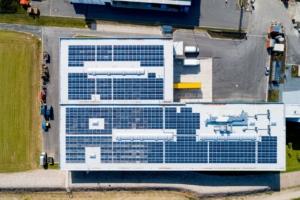 Sustainable Energy
Sustainability played an important role not only in the planning of our new building, but also in the extension of the site – particularly when it came to energy generation and use.
To generate our own electricity, the roofs are equipped with a photovoltaic system comprising almost 1,800 solar panels, producing around 500,000 kWh of electricity per year. That is roughly equivalent to the annual electricity consumption of 120 households.
As our production processes do not rely on particularly energy-intensive machinery, we are able to use this energy, among other things, to power the climate control systems in our buildings. This means we can rely almost entirely on self-generated solar energy.
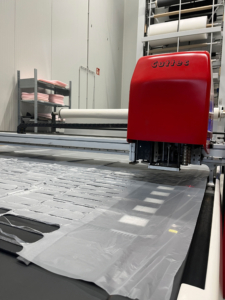 Energy-efficient production
Our machinery supports our work while also operating with a high level of energy efficiency. One example is the CNC cutter used in our sewing department. Thanks to the way it works, it significantly reduces material waste, helping us save up to 50 tonnes of CO2 per year. This was also recognised through EU funding for the machine.
In addition, a modern extraction system in our production facilities helps to avoid harmful emissions.
Sustainable product development
We are committed to developing durable products with long service lives and the potential for reuse, helping to conserve valuable resources.
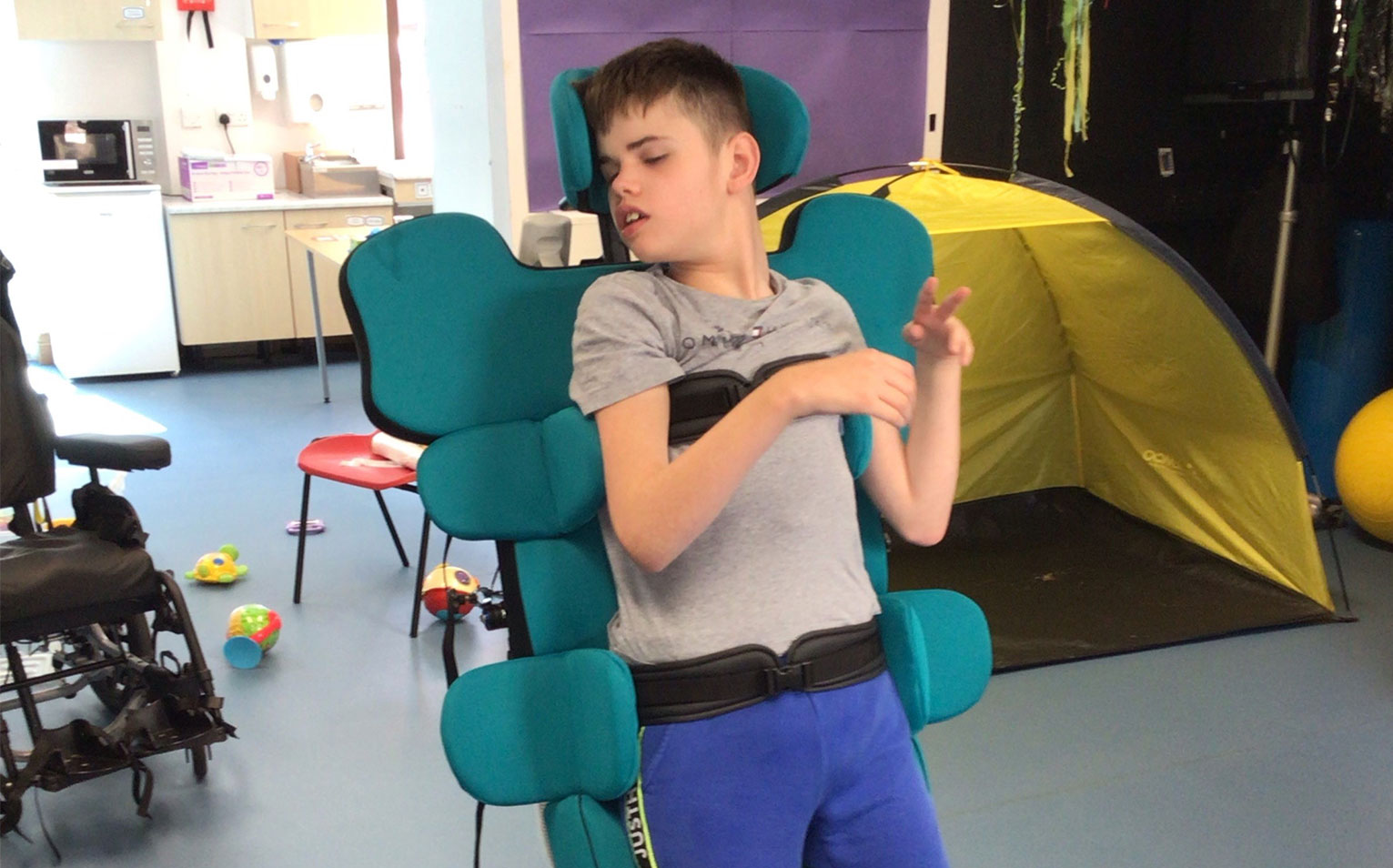
For example, our madita-fun. therapy chair is available with adaptation kits specifically designed to support reuse. We also provide spare parts lists for all our products, making it easy to add or replace individual accessories where needed.
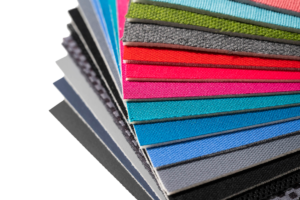 Our fabrics are highly abrasion-resistant and skin-compatible in accordance with DIN EN ISO 10993-5. They also meet the highest quality standards and are flame-retardant in line with DIN EN 1021-1+2. Just as importantly, the covers can be removed easily, washed and fitted again without difficulty.
Responsible supplier selection
Environmental considerations also play a role in the way we select and evaluate our suppliers. Their environmental protection measures and environmental management practices are taken into account during the assessment process.
Wherever possible, we also work with regional suppliers in order to avoid unnecessary transport distances.
Employee development and awareness
We invest continuously in the development of our skilled employees by regularly expanding their qualifications and preparing them for future tasks.
At the same time, we encourage all employees to question existing systems and processes from an environmental perspective and to identify opportunities for improvement.
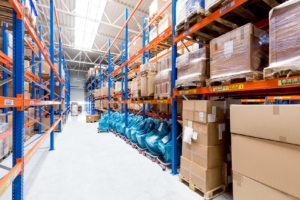 Packaging and recycling
For our packaging, we use tested, environmentally friendly materials that are safe, non-irritating and suitable for the secure transport of our products.
Waste paper and cardboard are collected in a paper press, which compacts materials efficiently to save space. Other waste streams such as wood, used pallets, scrap metal and plastic film are separated and collected individually.
Of course, the best form of waste management is to avoid creating waste in the first place. That is why waste reduction is a shared responsibility across the company.
Climate-conscious printing
For many years, we have also paid close attention to sustainability when printing our catalogues, price lists and flyers by using paper certified with the FSC label.
FSC stands for Forest Stewardship Council, an organisation founded in 1993 following the Rio de Janeiro Conference on Environment and Development. The FSC label indicates that the raw materials used come from responsibly managed forests.
Sustainability as part of our philosophy
For us, sustainability is not a trend – it is an integral part of our corporate philosophy.
Through responsibility, foresight and practical action, we are committed every day to combining environmental awareness with sound economic thinking. Certification in accordance with DIN EN ISO 14001:2015 is both recognition of what we have already achieved and an incentive to keep moving forward consistently – for the environment, for our customers and for the future.